Experience in international transport and logistics
Dangerous goods transport (ADR)
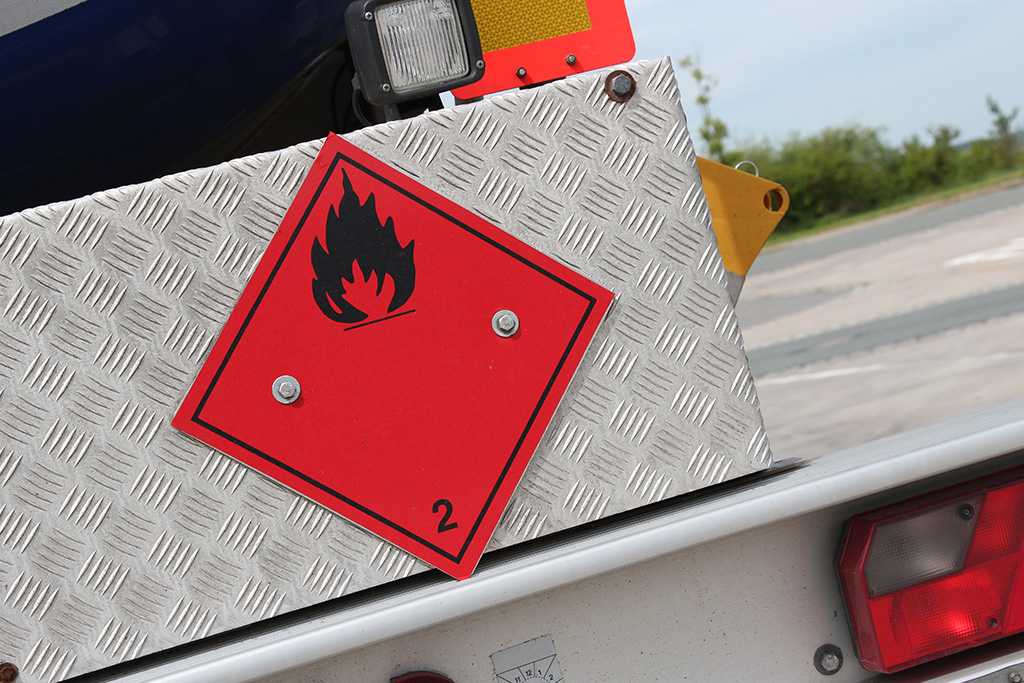
Transport of ADR cargo
Transporting dangerous goods requires more than just a fleet of vehicles and a licensed driver. It demands experience, precision, strict adherence to procedures, and a thorough understanding of ADR regulations. At Terramar, we combine all these elements to ensure transport safety, on-time deliveries, and full compliance with legal requirements.
In addition, every transport is supervised by a certified DGSA advisor – an expert responsible for safety from the very first stage of cooperation through to the final delivery of the cargo.
Controlled safety at every stage
At Terramar, the safety of transport is checked by our certified DGSA (Dangerous Goods Safety Advisor). This expert is responsible for the proper classification of cargo, preparation and verification of documentation, as well as monitoring compliance with international regulations.
Having a DGSA on our team is your guarantee that every stage of transport – from planning to unloading – is carried out in full compliance with regulations and in line with the highest safety standards.
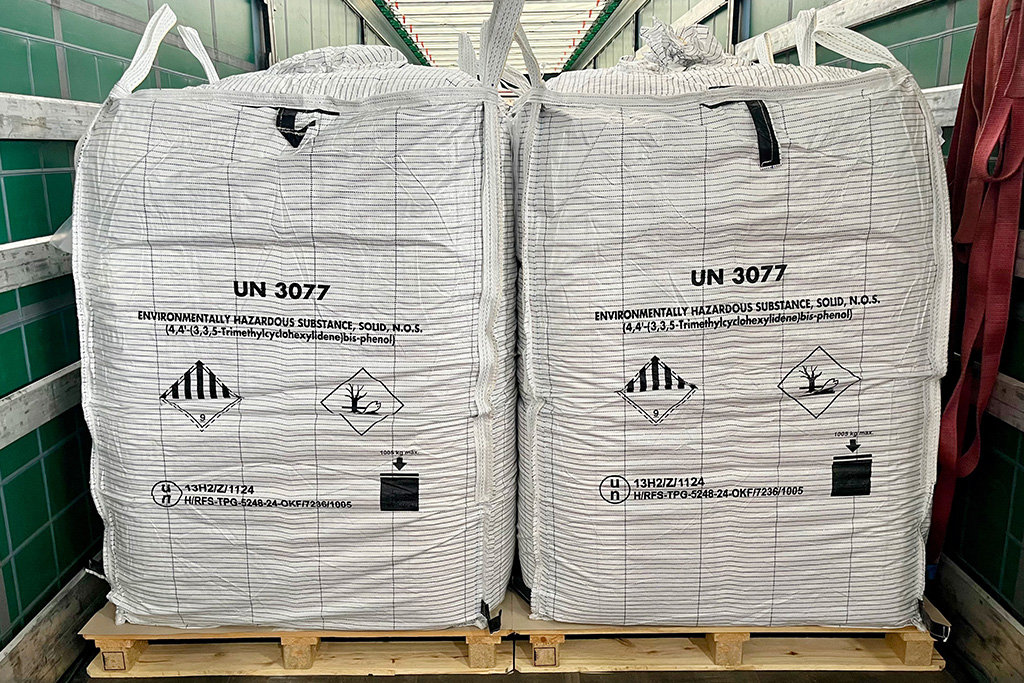
Why choose Terramar for dangerous goods transport?

Comprehensive service – consulting, documentation, vehicles, labeling, transport, customs clearance, cargo insurance

Dedicated
DGSA advisor – supervision and safety

Own customs agency – clearances in all procedures.

Network of agents
worldwide, consolidation and operational warehouses.

ADR compliance – trusted carriers, certified drivers and specialized equipment
Compliance with ADR regulations
ADR is a set of detailed regulations that must be strictly followed when transporting dangerous goods. At Terramar, we not only ensure full compliance with these requirements – we also implement additional control procedures to guarantee the highest level of safety.
We work exclusively with verified, certified carriers who operate vehicles adapted for ADR cargo transport and employ properly qualified drivers. Each partner undergoes thorough verification in terms of legal, technical, and procedural requirements. As a result, your cargo is transported in full compliance with regulations, without the risk of fines, delays, or threats to people and the environment.
Comprehensive execution support
Working with us means you don’t have to deal with formalities or worry about legal compliance. We take care of everything – from preparing the required documentation and ensuring proper vehicle marking to customs clearance and cargo insurance. We coordinate the transport to make sure your shipment arrives safely and on time, whether the route covers one country or spans multiple continents
Comprehensive solutions for the transport of dangerous goods
Your reliable partner in ADR logistics

YEARS

CERTIFICATES
ISO 9001, WSK, AEO – customs simplifications.

THOUSAND
Over 15.000 satisfied clients

CUSTOMS AGENCY
We handle customs clearance under all procedures

WAREHOUSES
Warehouses in the ports of Gdynia and Gdańsk, and also in Pruszków
Transport of dangerous goods
The transport of dangerous goods is a major challenge for logistics companies. However, this type of transport is essential due to the wide variety of materials that require special handling. To carry cargo in compliance with ADR standards, it is necessary to obtain the appropriate permits and meet a number of strictly defined requirements.
When it comes to the transport of goods classified as dangerous, it is best to rely on the experience and reliability of a proven forwarding company. When choosing such a service provider, it is worth fully understanding what ADR transport entails and which types of cargo are considered dangerous.
Safe and compliant transport of dangerous goods
Dangerous goods, also known as ADR cargo in road transport, include all items that may pose a risk to people, animals, the environment, or property. Their transport must take place under appropriate conditions, in full compliance with ADR regulations.
The ADR category covers flammable, toxic, corrosive and radioactive products, as well as various types of explosives. Such goods may occur in different states of matter – from solids and gases to liquids. These types of shipments are most often sent by companies from the mining, pharmaceutical, chemical, or petrochemical industries. Depending on the nature of the goods and the mode of transport, they may be carried in specially adapted tanks, containers or packaging.
How to properly secure dangerous goods in cargo transport?
The responsibility for securing dangerous goods during transport rests with the consignor. They must verify that all ADR requirements are met, including proper classification and approval for the forwarding of the goods. The consignor is also responsible for providing the carrier with all necessary documents and permits, as well as for marking transport tanks and checking their tightness and technical condition.
However, this does not relieve the carrier of their own obligations. The carrier must ensure that the received ADR cargo is accompanied by all required permits and is fully compliant with the ADR convention. Before accepting the goods, they should thoroughly verify all documentation, as they are also responsible for the proper preparation of the vehicle and cargo, including its correct marking
Dangerous goods transport – ensure safety with Terramar!
At Terramar, we provide a wide range of services – from standard transport and customs services to the carriage of dangerous goods. Our team includes a qualified Dangerous Goods Safety Advisor (DGSA), who plays a key role in our operations. They provide specialized consultancy on the transport of dangerous goods, organize their movement in full compliance with applicable regulations, and manage all related documentation.
Are you looking for comprehensive services for your business? Contact us! We will be happy to select the best solutions for you, combining various services such as international forwarding, cargo insurance and warehousing.
Dangerous goods transport FAQ
Jakie towary obejmuje transport ADR?
ADR transport refers to dangerous goods, i.e. those that may pose a threat to human health, the environment, or road safety. Their carriage is regulated by the international ADR agreement. The abbreviation stands for:
in French: “Accord européen relatif au transport international des marchandises dangereuses par route”
ADR goods classification:
- Class 1 – Explosives
- Class 2 – Gases
- Class 3 – Flammable liquids
- Class 4.1 – Flammable solids, self-reactive substances, polymerizing substances, and desensitized explosives (solid)
- Class 4.2 – Substances liable to spontaneous combustion
- Class 4.3 – Substances which, in contact with water, emit flammable gases
- Class 5.1 – Oxidizing substances
- Class 5.2 – Organic peroxides
- Class 6.1 – Toxic substances
- Class 6.2 – Infectious substances
- Class 7 – Radioactive material
- Class 8 – Corrosive substances
- Class 9 – Miscellaneous dangerous substances and articles
Transport ADR dotyczy towarów niebezpiecznych, czyli takich, które mogą stwarzać zagrożenie dla zdrowia ludzi, środowiska lub bezpieczeństwa ruchu drogowego. Ich przewóz regulowany jest przez międzynarodową umowę ADR. Skrót ten oznacza:
j.pol. “Umowa europejska dotyczącą międzynarodowego przewozu drogowego towarów niebezpiecznych”
j.fr. “Accord européen relatif au transport international des marchandises dangereuses par route”.
Klasyfikacja towarów ADR:
Klasa 1 Materiały wybuchowe
Klasa 2 Gazy
Klasa 3 Materiały zapalne ciekłe
Klasa 4.1 Materiały zapalne stałe, materiały samoreaktywne, materiały polimeryzujące oraz materiały wybuchowe odczulone stałe
Klasa 4.2 Materiały podatne na samozapalenie
Klasa 4.3 Materiały wydzielające w zetknięciu z wodą gazy palne
Klasa 5.1 Materiały utleniające
Klasa 5.2 Nadtlenki organiczne
Klasa 6.1 Materiały trujące
Klasa 6.2 Materiały zakaźne
Klasa 7 Materiały promieniotwórcze
Klasa 8 Materiały żrące
Klasa 9 Różne materiały i przedmioty niebezpieczne
W Terramar oferujemy kompleksową obsługę ładunków niebezpiecznych – od doradztwa technicznego, przez organizację transportu, po spełnienie wszystkich formalnych i prawnych wymogów. Dbamy, by każdy przewóz odbył się bezpiecznie, zgodnie z obowiązującymi regulacjami.
Czy potrzebne sąspecjalne dokumenty do przewozu towarów niebezpiecznych?
Tak, transport towarów niebezpiecznych (ADR) wymaga specjalnej dokumentacji, która jest obowiązkowa i ściśle regulowana przepisami międzynarodowej umowy ADR. Poniżej prezentujemy najważniejsze dokumenty.
- Dokument przewozowy ADR
Musi zawierać pełną klasyfikację towaru, w tym:- numer UN (np. UN 1203 dla benzyny),
- oficjalną nazwę przewozową (np. benzyna silnikowa)
- klasę zagrożenia (np. klasa 3 – ciecze łatwopalne),
- grupę pakowania (jeśli dotyczy),
- kod ograniczeń przewozu przez tunele,
- ilość i sposób pakowania,
- numery wymaganych nalepek,
- nazwę i adres nadawcy,
- nazwę i adres odbiorcy.
- Karta charakterystyki (MSDS – Material Safety Data Sheet)
Dostarczana przez producenta lub eksportera substancji. Zawiera szczegółowe informacje nt. właściwości chemicznych i zagrożeń. - Instrukcje pisemne dla kierowcy
Obowiązkowe w formie papierowej w kabinie pojazdu – zawierają procedury postępowania w razie wypadku lub awarii. - Zezwolenia i certyfikaty pojazdu oraz kierowcy
Kierowca musi posiadać ważne uprawnienia ADR, a pojazd musi być odpowiednio przystosowany i certyfikowany do przewozu danego typu ładunku. - Ewentualne pozwolenia dodatkowe
W przypadku towarów szczególnie niebezpiecznych lub przewożonych przez granice – mogą być wymagane dodatkowe zgody lub notyfikacje.
W Terramar pomagamy skompletować całą dokumentację ADR, weryfikujemy jej poprawność i zapewniamy pełne wsparcie w spełnieniu wymogów formalnych. Dzięki temu przewóz ładunków niebezpiecznych odbywa się bezpiecznie i zgodnie z przepisami.
Jakie wymagania musi spełniać pojazd do transport ADR?
Pojazd wykorzystywany do przewozu towarów niebezpiecznych (ADR) musi spełniać szereg szczegółowych wymagań technicznych, organizacyjnych i oznaczeniowych, aby zapewnić maksymalne bezpieczeństwo w transporcie. Najważniejsze wymagania prezentujemy poniżej.
- Homologacja pojazdu ADR
Pojazd musi być dopuszczony do przewozu ładunków niebezpiecznych i posiadać odpowiedni certyfikat dopuszczenia ADR (tzw. świadectwo ADR). - Oznakowanie pojazdu
- tablice ostrzegawcze (pomarańczowe prostokąty) z przodu i z tyłu pojazdu.
- dodatkowe tablice z numerem UN i kodem zagrożenia – w przypadku przewozu ładunków w cysternach lub luzem.
- Wyposażenie pojazdu
Zgodne z przepisami ADR i zależne od klasy przewożonego towaru. Zwykle obejmuje:
- gaśnice (o odpowiedniej ilości środka gaśniczego),
- kliny pod koła,
- kamizelki odblaskowe, latarki, rękawice, okulary ochronne,
- oznakowanie awaryjne (np. trójkąty),
- środki do usuwania skażeń (np. sorbenty),
- instrukcje pisemne ADR dla kierowcy.
- Stan techniczny pojazdu
Pojazd musi być sprawny technicznie, szczególnie w zakresie układów hamulcowego, oświetlenia, zawieszenia i szczelności przestrzeni ładunkowej. - Wyposażenie dodatkowe dla przewozu specjalistycznego
W przypadku cystern lub chłodni – dodatkowe wymogi techniczne dotyczące konstrukcji zbiorników, izolacji, zaworów, itp. - Przeszkolony personel
Pojazdem musi kierować kierowca posiadający ważne uprawnienia ADR, a załadunek i zabezpieczenie towaru powinny być przeprowadzone przez przeszkolony personel.
W Terramar współpracujemy wyłącznie z doświadczonymi przewoźnikami, dysponującymi pojazdami spełniającymi pełne standardy ADR. Dzięki temu możemy zagwarantować bezpieczny, zgodny z przepisami przewóz nawet najbardziej wymagających ładunków.